
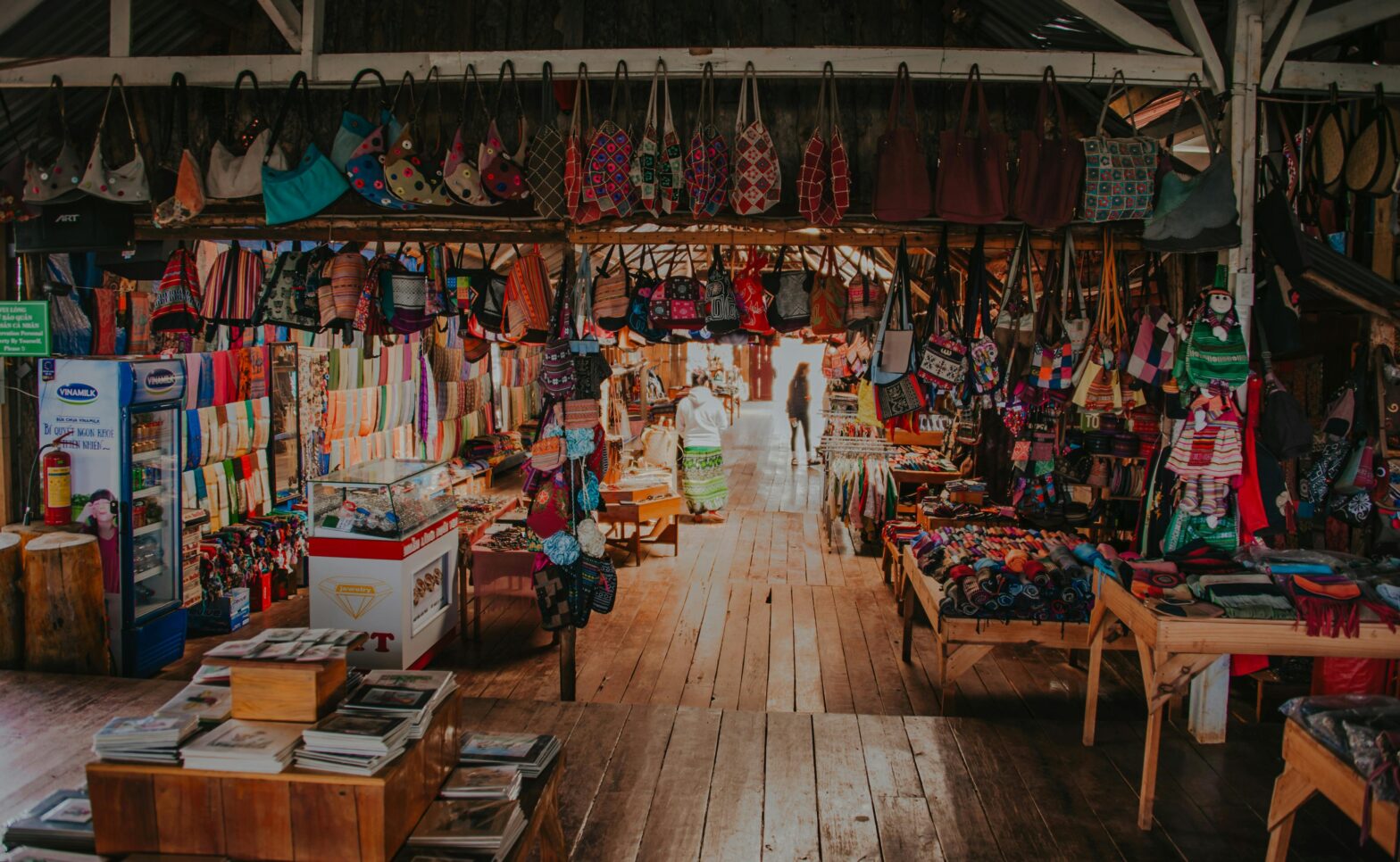
Cultural souvenirs are more than just mementos; they are a piece of the destination you visited, representing history, workmanship, and custom. Whether it’s a Turkish handwoven rug, a Chinese jade sculpture, or an African tribal mask, the value is in the authenticity. Unfortunately, the global tourism boom has resulted in an increase of counterfeit cultural products.
These forgeries frequently appear plausible to naive travelers, but they lack the legacy, quality, and ethical value of the genuine article. In this post, we’ll look at how to recognize real cultural artifacts and avoid scams, allowing you to invest in meaningful, authentic souvenirs.
1. Do Your Homework Before You Shop
Understanding the Real Thing Helps You Avoid the Fakes
One of the most effective ways to protect yourself from scams is to educate yourself before you shop. Know the key characteristics of the cultural items you’re interested in purchasing, what materials are used, what traditional methods are involved, and what regional variations exist.
For example, if you’re planning to buy Native American jewelry, research the difference between mass-produced pieces and handcrafted silver-and-turquoise work by recognized artisans. Watch documentaries, read blogs by collectors, or consult travel forums. A little research goes a long way toward spotting inconsistencies and marketing gimmicks.
2. Avoid Shopping at High-Traffic Tourist Markets
Scammers Target Areas with High Foot Traffic
Shops located near major tourist attractions often focus more on selling than authenticity. These stores frequently stock mass-produced knock-offs designed to look like traditional crafts, but they’re often made in factories rather than by local artisans.
Tourists in a hurry or overwhelmed by the sheer number of items may fall for these traps. To avoid this, venture beyond tourist hotspots and find smaller, locally recommended markets or artisan cooperatives where sellers are invested in the quality and heritage of their goods.
3. Learn to Identify Common Fake Materials
Low-Quality Materials Are a Big Red Flag
Counterfeit cultural items are usually made with cheap, synthetic, or incorrect materials to reduce production costs. Learning to distinguish between real and fake materials can help you avoid being scammed. For instance:
- “Ivory” may actually be plastic, real ivory has a grainy texture and cross-hatch patterns.
- “Silk” scarves could be polyester, real silk feels cool to the touch and slides easily through your fingers.
- “Jade” is often just dyed quartz or resin; genuine jade feels dense and cold.
Ask questions about the origin of the material, and don’t be afraid to examine items closely before buying.
4. Ask About the Artist or Artisan
Authentic Crafts Often Come With a Story
True cultural items are usually handmade and come with a backstory. Artisans take pride in their craft and can often be identified by name, family lineage, or regional guild. If a vendor can’t tell you anything about who made the item, where it was made, or what it symbolizes, it’s a major red flag.
Some reputable sellers even offer certificates of authenticity or information tags that describe the artisan and the method of creation. Support vendors who celebrate the creators behind their products—this also helps sustain local economies and traditional practices.
5. Inspect the Details Closely
Quality and Craftsmanship Reveal the Truth
Fake items often lack the fine details that come with genuine craftsmanship. Seams may be poorly stitched, patterns might be printed instead of woven or hand-painted, and mass-produced items may have repetitive designs.
Authentic cultural items usually show small imperfections; these are signs of handmade work, not flaws. Look for signs of hand-tooling, brush strokes, or slight asymmetries. Examine the item from different angles and compare multiple pieces to assess consistency.
6. Beware of Too-Good-to-Be-True Prices
You Get What You Pay For
If an item is significantly cheaper than what you expected for a handcrafted good, it’s probably not authentic. Handwoven rugs, carved statues, or traditional garments take hours or even days to produce, so prices should reflect the labor and skill involved.
7. Look for Cooperative Stores or Cultural Centers
Fair Trade Outlets Ensure Authenticity and Ethical Sourcing
Many countries have artisan cooperatives or government-approved cultural centers that support local craftsmen and preserve traditional arts. These places sell verified handmade products and often provide educational materials about the craft.
Shopping at these outlets not only protects you from scams but ensures your money directly benefits local artisans. Additionally, fair trade-certified stores follow ethical labor practices and are transparent about product origins.
8. Ask for a Receipt and Documentation
Proof of Purchase Can Protect Your Investment
Always request a detailed receipt for any major purchase, especially if you plan to take it through customs or ship it internationally. If you’re buying antiques, artwork, or valuable collectibles, ask for documentation such as a certificate of authenticity or an origin statement.
This protects you if you later discover the item is fake or if you need to file a dispute with your credit card provider. Reputable sellers will have no problem providing proper documentation.
9. Use Trusted Guides or Local Recommendations
Personal Referrals Reduce Your Risk
If you’re unsure where to shop, ask hotel staff, local guides, or long-time expats for recommendations. These individuals can point you to trusted vendors or explain what scams are common in the area.
Guided cultural tours sometimes include stops at workshops where you can meet artisans and watch them work, which gives you confidence in the authenticity of the items for sale. Be wary of unsolicited recommendations from taxi drivers or street promoters, who may get a commission for sending tourists to specific (and often overpriced) shops.
10. Trust Your Instincts and Walk Away if Unsure
Pressure Tactics Are a Sign of a Scam
If a seller is pressuring you to buy quickly, insisting that an item is “rare” or “last one,” take a step back. High-pressure sales environments are a common indicator of scam operations.
Authentic shops don’t rush customers, they let the product speak for itself. If something feels off, trust your gut and walk away. There will always be other opportunities to find a better, more trustworthy purchase elsewhere.
Conclusion
Buying cultural items abroad should be a fulfilling experience that connects you with the people and traditions of the place you’re visiting. By taking the time to research, observe, and question before you buy, you can protect yourself from scams and ensure your purchases are genuine, meaningful, and ethically sourced. Remember, the best souvenirs are those that tell a story, not just of your travels, but of the hands and heritage behind them.